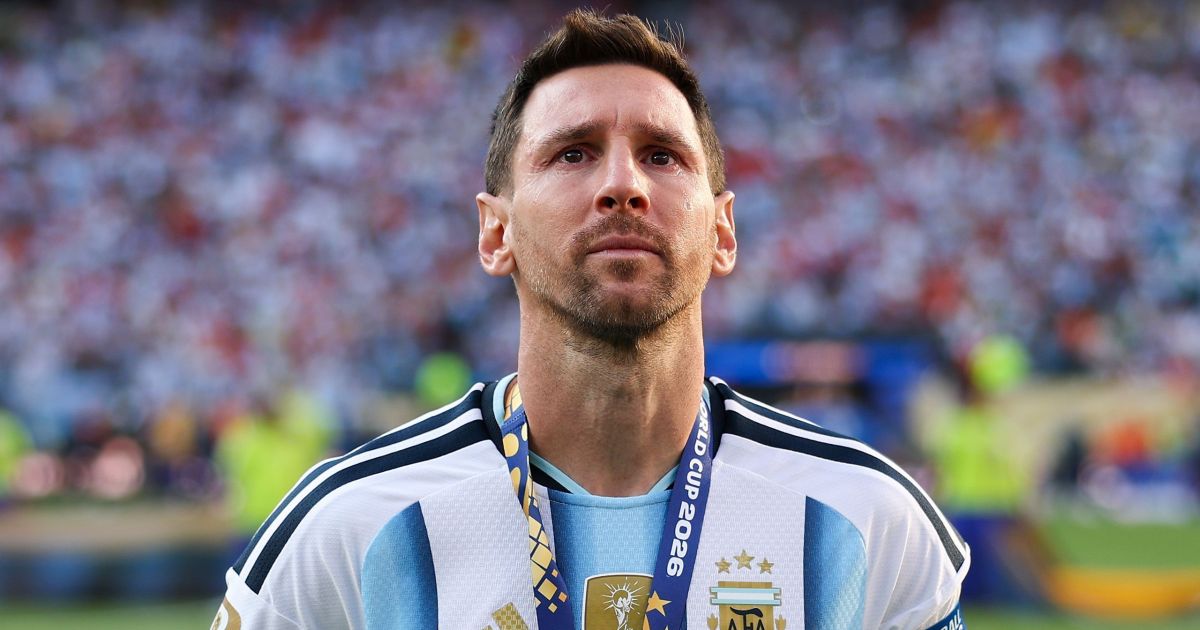


FIFA President Gianni Infantino has scrapped plans to sell a commercial stake in the World Cup following widespread criticism across European football. The decision came after Infantino sent an email to national associations offering financial considerations in exchange for supporting a $20 billion deal.
Real Madrid instructed media representatives on Sunday to release a statement welcoming the withdrawal of the proposal. The Spanish club thanked UEFA for fulfilling its duty to protect football, according to the statement.

Journalist Ian Herbert notes that Real Madrid previously led 12 European clubs in an attempted breakaway European Super League. Real Madrid hired American investment bank JPMorgan Chase to advise on that project before the bank issued an apology for its involvement.
Herbert describes the conflict between FIFA and major European clubs as a battle between competing financial interests rather than idealists and profiteers. Both sides continue to push for greater commercial control over global football competitions.

European governing body and Champions League expansion
UEFA President Aleksander Ceferin has presented the European governing body as a defender of traditional football meritocracy. However, UEFA expanded the Champions League in 2024 to include 64 additional fixtures designed to boost broadcasting and sponsorship revenues.
The rivalry between UEFA and FIFA has created new tournaments, including the Nations League and an expanded Club World Cup. UEFA has also raised the prospect of boycotting FIFA competitions as territorial disputes persist.

Premier League financial dominance and power grabs
The Premier League claims to be the world's most competitive domestic league while generating more revenue than any other football league in history. Despite this wealth, top-flight clubs have faced criticism for resisting broader financial redistribution across lower divisions.
In 2020, major Premier League clubs led by Liverpool and Manchester United attempted a structural power grab known as Project Big Picture. The Premier League also held discussions with private equity firm CVC Capital Partners regarding the sale of a stake in future commercial and broadcasting revenues.

Government intervention and wealth distribution
A government White Paper on football governance previously highlighted the challenges of securing financial distribution from top-flight clubs. Premier League clubs previously designated 70 percent of lower-league funding as solidarity payments, though these funds primarily served as Championship parachute payments.
Government action led to the creation of the Independent Football Regulator, which possesses backstop powers to mandate financial settlements. In response, Premier League clubs voted to allocate an additional £1.5 billion to English Football League clubs, funded by a two percent lift on top-flight transfer levies.
Opposition to the increased funding was led by Manchester City's owners, while other members of the Big Six expressed dissatisfaction over paying larger shares than smaller Premier League clubs. One smaller club owner stated that leaving the Super League project felt like "emerging from a slightly abusive relationship."
FA Cup changes and lower league impact
The FA Cup extra preliminary round features 438 clubs competing across England. Fixtures include North Ferriby hosting St Helens, Northwich Victoria traveling to Beverley Town, and Nelson hosting Stockport Georgians.
Clubs that win six preliminary ties reach the first round proper in November, where winning teams receive £47,750 in prize money. However, smaller clubs now face reduced revenue opportunities following structural changes forced by top-level scheduling demands.

The Football Association eliminated replays from the first round proper onwards for a second consecutive season, citing fixture congestion caused by UEFA competition expansion. Additional changes include spreading fourth-round matches over five days and scheduling the 2027 FA Cup final before the conclusion of the Premier League season.
Opposition to Infantino leadership
Only 11 national football associations, including England and Wales, have publicly opposed Infantino remaining in office as FIFA President. Qualification matches for the 2030 World Cup begin in one year, making national associations hesitant to risk financial losses associated with a boycott.

Herbert concludes that Infantino is carrying the commercial logic of elite football leaders to its logical conclusion. As governing bodies and wealthy clubs continue to seek expanded revenues, internal governance conflicts remain unresolved across the sport.