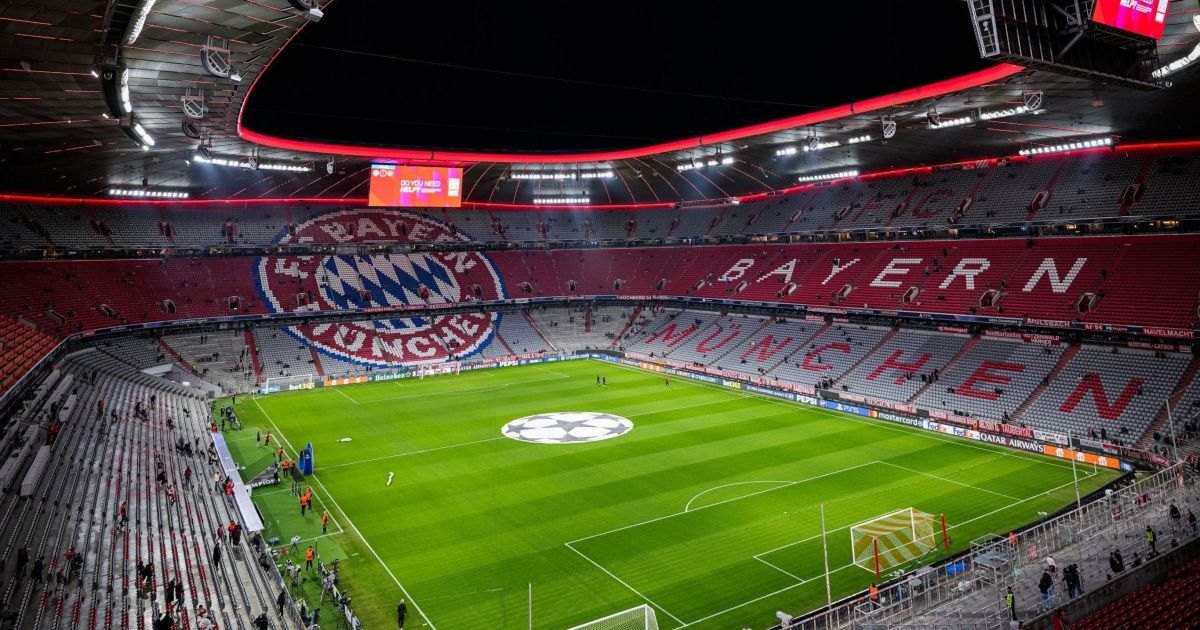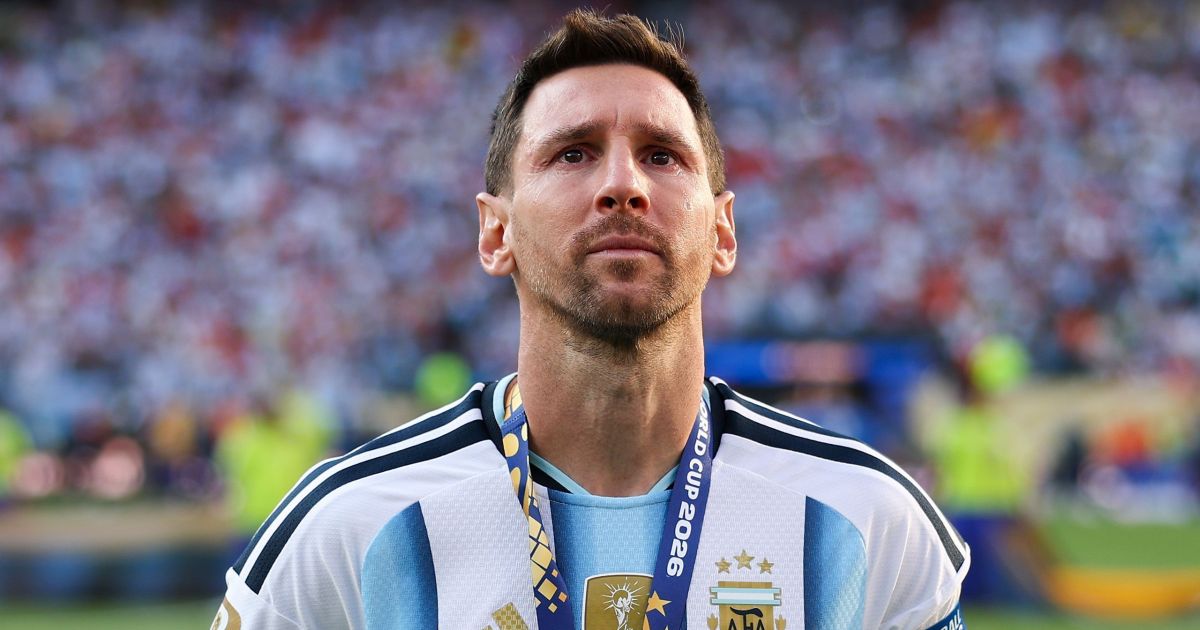


UEFA has officially withdrawn its threat to boycott FIFA competitions after securing binding assurances that private investors will not be allowed to buy into the commercial rights of the FIFA World Cup.
The decision by European football's governing body marks an end to a high-stakes standoff aimed at forcing FIFA President Gianni Infantino from office following his proposal to transfer commercial tournament rights into a private joint venture.
The retreat followed weeks of escalating tension between the Nyon-based organization and football's global governing body in Zurich. UEFA had initially threatened a complete blockade of all FIFA-organized tournaments after Infantino outlined plans to introduce private investment into FIFA Forward Enterprises, the entity managing World Cup commercial rights. European officials characterized the initiative as an unauthorized attempt to monetize global football assets.
National associations register for tournament in Poland
The boycott threat began to crumble as the administrative deadline approached for the upcoming FIFA U-20 Women's World Cup in Poland. European national federations began submitting their official squad rosters for matches scheduled across host cities in Łódź, Bielsko-Biała, Sosnowiec, and Katowice.
The Football Association of England was among the first European bodies to confirm its participation in the Polish tournament. The submission came despite senior English officials having recently declared a complete loss of confidence in Infantino and formally withdrawing their endorsement of the Swiss administrator.
Following the widespread submission of squad lists, UEFA issued a formal statement confirming that its boycott threat had been cancelled. The organization stated it was satisfied after receiving firm guarantees that the commercial rights project would not be revived.
FIFA welcomed the resolution of the dispute. A spokesperson for the global governing body expressed satisfaction that all qualified teams would take part in the Polish tournament, stating that FIFA maintains a deep belief in football's capacity to unite nations even during challenging circumstances.
Critics condemn European governing body over retreat
The sudden reversal drew sharp criticism from football commentators and governance analysts, who accused European sports administrators of lacking resolve and surrendering their leverage.
Media commentators remarked that UEFA had acted like a paper tiger and suggested the organization deserved a red card for simulation. Analysts warned that backing down would embolden Infantino and his allies ahead of governance challenges.
Writing in World Soccer magazine, English journalist Henry Winter stated that UEFA appeared as a paper tiger and that Infantino would take heart from Nyon's retreat. Winter noted that Infantino's supporters would be delighted, while undecided delegates might conclude that UEFA had blinked first and shift their backing to the Swiss official ahead of the FIFA presidential elections in March. Winter added that internal opposition within FIFA would likely dissolve following UEFA's failure to maintain its initial firm stance.
Flawed strategy and historical boycott precedents
Sports commentators noted that the proposed boycott was fundamentally flawed because its primary victims would have been young female athletes scheduled to compete in Poland rather than FIFA executives. A boycott would have created a damaging public narrative featuring UEFA President Aleksander Čeferin and Infantino engaged in a political feud at the expense of women's football.
European football maintains significant institutional independence through the UEFA European Championship, the UEFA Champions League, and the UEFA Nations League. However, analysts pointed out that withdrawing from global competitions risked being interpreted internationally as European arrogance rather than a principled defense of sports governance.
Historical precedent demonstrates that sports boycotts rarely achieve their intended governance objectives. British football associations boycotted the first three FIFA World Cups in 1930, 1934, and 1938 over regulatory disputes, a posture later viewed primarily as self-defeating isolation. Similarly, political boycotts of the 1980 Moscow Olympics by Western nations and the 1984 Los Angeles Olympics by Eastern bloc states failed to alter international policy, leading nations to return for the 1988 Seoul Olympics.
Legal challenges and upcoming presidential election
UEFA's strategic retreat leaves the organization without a clear political alternative to Infantino as he prepares for the FIFA presidential election in March. While Infantino continues to build support among member associations across Africa and the Caribbean, UEFA has failed to put forward a rival candidate.
Instead, European officials have turned to legal measures in federal and international courts. UEFA has filed formal applications in US district courts in New York, Florida, and Colorado to secure corporate documents related to FIFA commercial transactions.
UEFA also intends to file a criminal complaint with Swiss judicial authorities alleging potential criminal mismanagement by Infantino regarding the alleged undervaluation of World Cup commercial rights intended for FIFA Forward Enterprises.
Legal experts note that court proceedings in Switzerland and the United States will take years to reach a conclusion. The prolonged timeline mirrors the case of former FIFA President Sepp Blatter and former UEFA President Michel Platini, who were forced from office in 2015 amid corruption allegations but were fully acquitted ten years later following two trials. The lengthy legal process provides Infantino with substantial room to consolidate his leadership position.