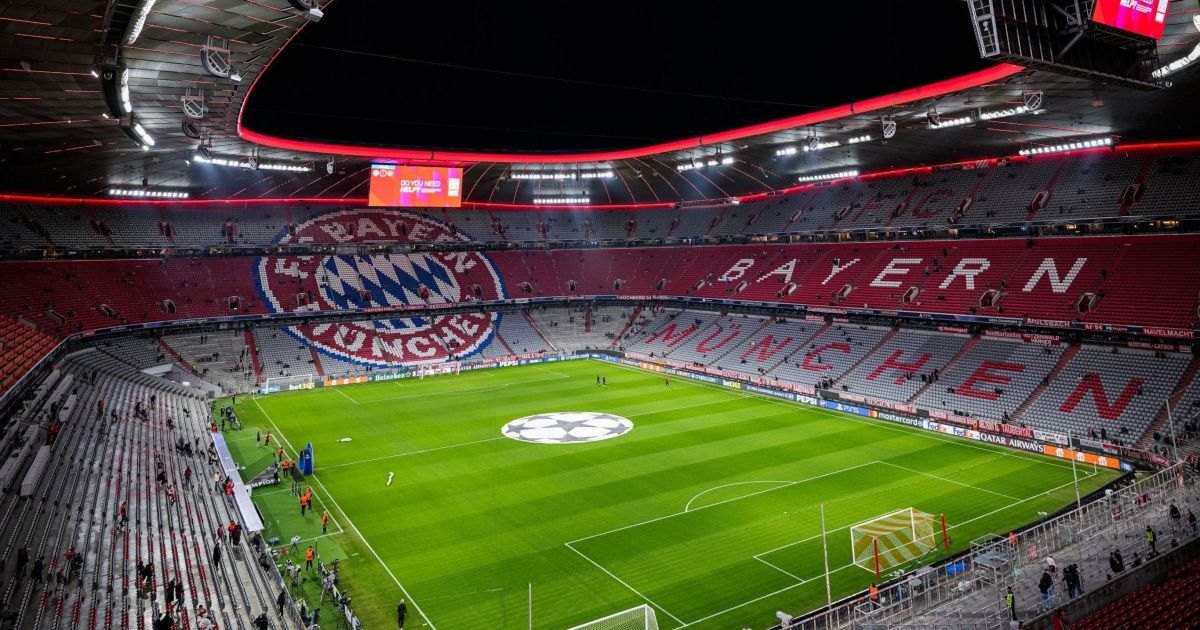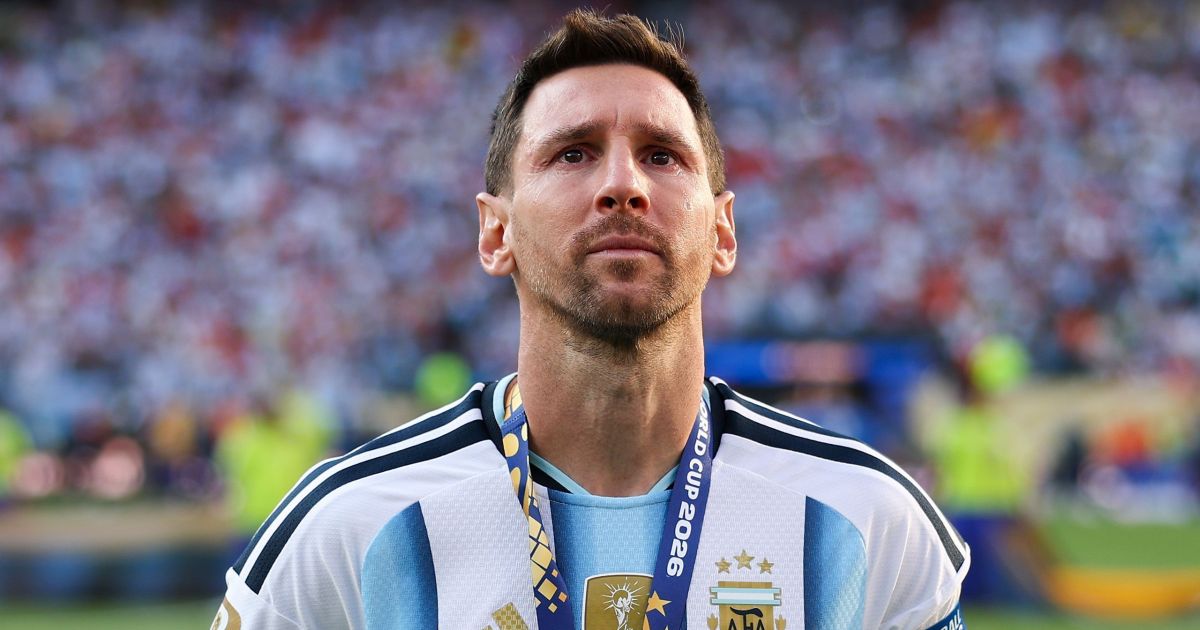


FIFA has set in motion a plan to sell stakes in the World Cup to private investors, drawing fierce opposition from European football's governing body and reigniting a bitter power struggle at the top of the global game.
The proposals, which emerged this week, would see FIFA establish a subsidiary to control the operational delivery of its tournaments and their commercial interests, including ticketing and television rights. FIFA hopes to raise over £3 billion from investors, with J.P. Morgan advising on the deal. Thrive, a venture capital firm led by Joshua Kushner, is expected to lead the proposed investor group.
Football associations are being offered £15 million in additional revenue as an incentive to support the plan. FIFA has maintained that outside investors will not play any operational role, but critics fear investor pressure will lead to more frequent tournaments to maximise returns.
Why Infantino is so hard to dislodge
FIFA operates on a one-association, one-vote system, meaning the English FA carries the same weight as Botswana's. That structure allows Infantino to court smaller nations with promises of expanded tournaments and increased funding.
His plan to grow the World Cup to 64 teams would mean roughly 30 percent of FIFA's member nations qualify. For countries such as Curacao, which earned £7.5 million at this summer's expanded tournament, and Cape Verde, which banked £9 million, the appeal of a larger competition is obvious.
The South American, African and Asian confederations have already said they will back Infantino for another four-year term. Those three bodies represent 111 countries. Infantino needs the support of 106 nations to win re-election. Unless those pledges are withdrawn, he has already secured victory before a vote is cast.
How could he be stopped?
UEFA called crisis talks for Thursday in an attempt to unite all 55 of its member associations against the plan. The effort hit an early obstacle when the president of the Czech FA, David Trunda, publicly backed Infantino's proposals.
Even unanimous UEFA opposition would leave the bloc 51 associations short of blocking the plan. Concacaf and the AFC have voiced concerns, but their member nations are considered more susceptible to FIFA's financial incentives.
One potential lever is a threat to withdraw from an upcoming FIFA tournament. The Women's World Cup, described as just around the corner, is seen as the most credible pressure point, since threatening to disrupt it would carry more immediate consequences than targeting the men's tournament four years away. UEFA can act only as a broker, however. The decision on whether to threaten a boycott rests with each national association individually.
A relationship in freefall
The investment dispute is the latest flashpoint in what has become an openly hostile relationship between FIFA and UEFA. When the plans became public, UEFA said FIFA had crossed a line, the second time it has used that phrase about FIFA this summer.
Tensions between UEFA president Aleksander Ceferin and Infantino have been building since FIFA expanded the Club World Cup, which UEFA sees as a threat to the commercial dominance of the Champions League. Over a four-year cycle, the Champions League generates roughly £3.7 billion annually, more than the men's World Cup, which produced £11.2 billion across its most recent cycle.
Relations worsened at FIFA's annual Congress in May 2025 when Infantino arrived more than two hours late after accompanying US President Donald Trump on a diplomatic tour of the Middle East. Ceferin led a walkout and accused the FIFA president of putting private political interests ahead of football governance. He boycotted the following year's Congress.
Ceferin also failed to attend Spain's World Cup final win over Argentina earlier this month. During the tournament, Infantino took a call from Trump in which he asked the president to investigate the red card shown to Folarin Balogun. FIFA's disciplinary council subsequently suspended Balogun's one-match ban for a year, a step described as unprecedented.
Who could challenge Infantino?
The deadline for candidates to formally declare for the FIFA presidency with the backing of at least five national federations is November 18. In the previous election in 2023, Infantino ran unchallenged.
PSG president Nasser Al-Khelaifi is considered the most plausible rival. He chairs the European Football Clubs group, which represents more than 800 European clubs, and sits on UEFA's executive committee as the first Asian to hold such a position. His backers say he is respected for his grasp of football governance and his communication skills.
Dariusz Mioduski, the president of Legia Warsaw, has been reported as another potential candidate. Victor Montagliani, Concacaf president and a FIFA vice-president, has not ruled out a future run, though he is expected to seek re-election at Concacaf first. German FA president Bernd Neuendorf declined to endorse Infantino's re-nomination, and La Liga chair Javier Tebas has called for Infantino to step down outright.