
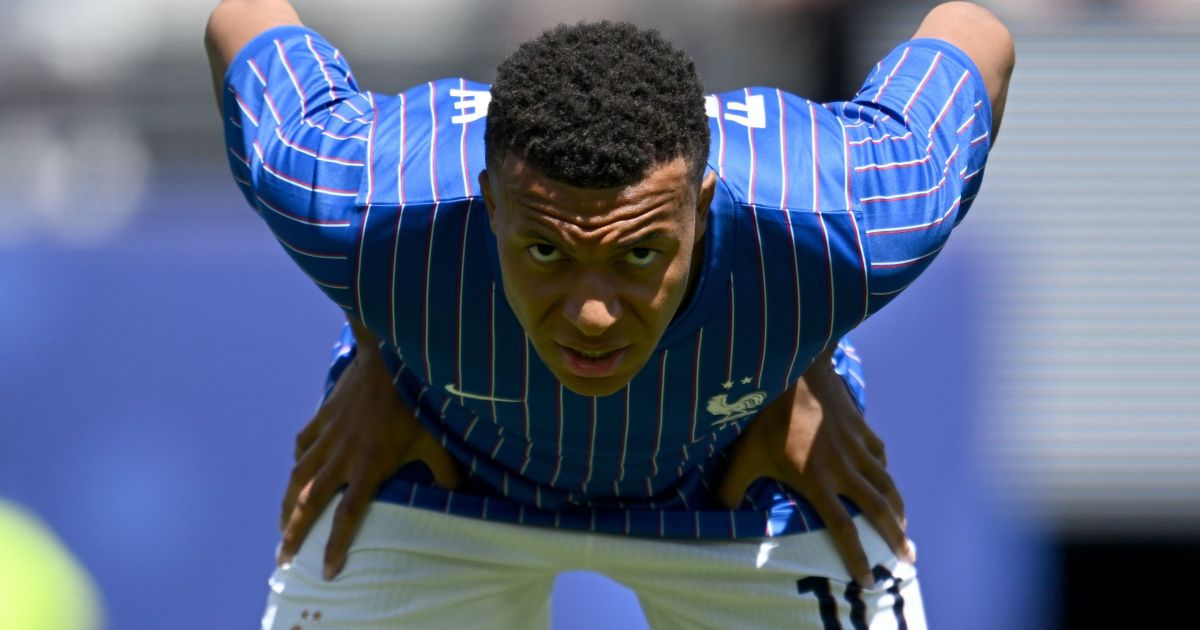
Real Madrid forward Kylian Mbappe has spoken out against viral social media memes labeling him a dictator over his supposed authority in French football.
Speaking in an interview with French newspaper L'Equipe on Friday, the all-time top scorer in World Cups addressed the long-running internet satire for the first time. He said that while one part of the joke feels harmless, another side is far less funny given the historical damage caused by actual tyrants.
Mbappe stated that being compared to individuals who murder people or leave millions of citizens unhappy is not something he believes he has done in his life. Although he approaches the situation with humor, the striker criticized the gravity of the comparison and noted that it reflects a broader public issue.
He explained that while people view the joke as lighthearted banter that will not go too far, the trend sometimes reveals a lack of political and human awareness among the public.
Origins of the satire
The Dictator Mbappe nickname first emerged in 2022 during negotiations over his contract renewal with Paris Saint-Germain. European media reported at the time that the French club had restructured its entire sporting project around the player, creating a public perception that he possessed direct influence over hiring head coaches and signing new players.
The joke gained further momentum in 2024 after Mbappe instructed his legal team to sue an online influencer for unauthorized use of his image. That legal action triggered a fresh wave of satirical photo edits that placed the international forward into authoritarian settings.
The satire resurfaced online during this year's World Cup following an incident at Lincoln Financial Field in Philadelphia. After a severe rainstorm delayed a match between France and Iraq, Mbappe suggested to stadium ground staff which specific sections of the pitch required cleaning before play could resume.

Locker room banter and historical references
Teammates within the French national squad have also joked about the label in the past. A video recorded during the 2022 World Cup showed squad members teasing Mbappe with the dictator title while the forward appeared to accept the lighthearted banter.
In the footage, fellow French forward Ousmane Dembele referred to Mbappe as Mobut. The nickname was a direct reference to Mobutu Sese Seko, the military dictator who ruled Zaire, now known as the Democratic Republic of the Congo, for more than 30 years under a dictatorial regime.
Impact on commercial brand and sponsorships
Sports management and marketing analysts warned that persistent negative viral trends could inflict lasting harm on a high-profile athlete's public reputation. Fabio Wolff, managing partner at sports marketing agency Wolff Sports, highlighted the boundary between positive online engagement and negative viral messaging.
Wolff noted that when a satirical nickname continually reinforces negative traits such as authoritarianism, arrogance, or an excessive desire for power, it can alter public perception. He added that such shifts risk damaging core elements of an athlete's personal brand, particularly in the eyes of corporate sponsors.
Bruno Brum, chief marketing officer at sports marketing firm End to End, agreed that while trending jokes generate short-term engagement, they pose long-term risks to an athlete's identity. Brum stated that commercial brands invest heavily in positive attributes like leadership, charisma, and inspiration.
Brum added that any meme shifting public perception toward negative characteristics forces management teams to work much harder to protect the athlete's image. He warned that if such narratives recur across multiple events, they risk cementing a permanent stereotype that becomes part of how the public perceives the player.