
Moroccan political leaders have dismissed a threat by Spanish opposition chief Alberto Núñez Feijóo to withdraw Spain from the 2030 World Cup.
Feijóo, the president of Spain's conservative Partido Popular, included a formal pledge in his party manifesto for the 29 November general election stating that a future government under his leadership would make Spanish participation in the tournament conditional on hosting the final.
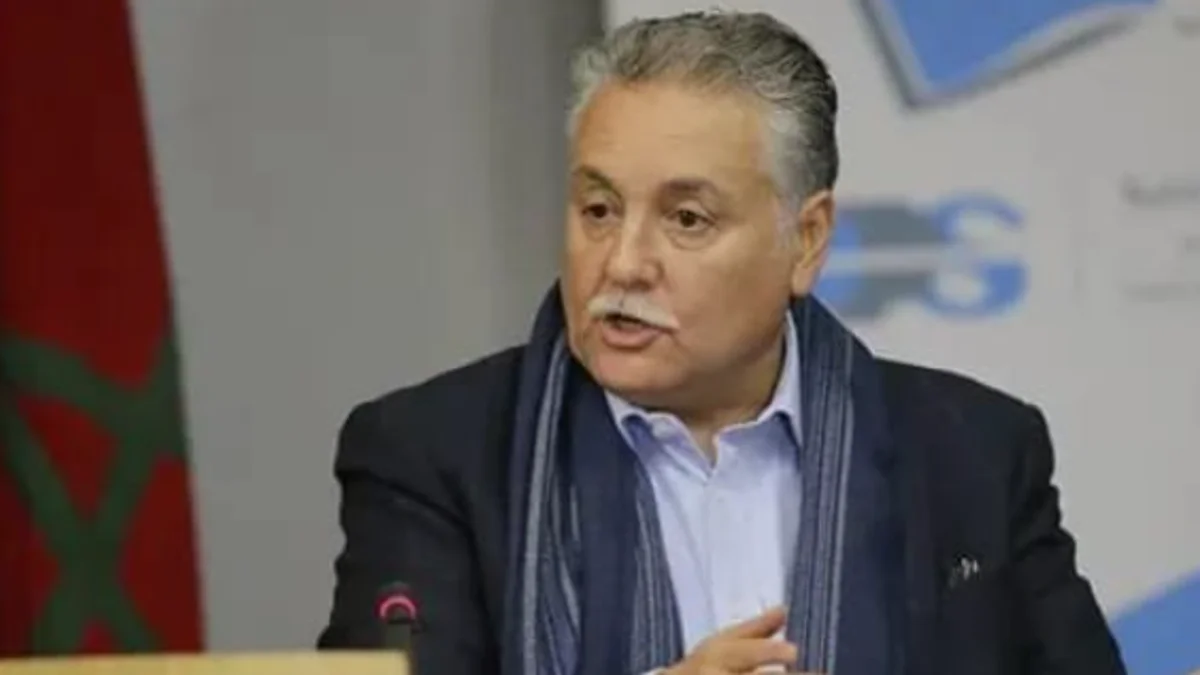
Speaking to Moroccan news service Hespress, Nabil Benabdellah, Morocco's Minister of National Education and secretary general of the Party of Progress and Socialism, said the ultimatum lacked any real credibility.
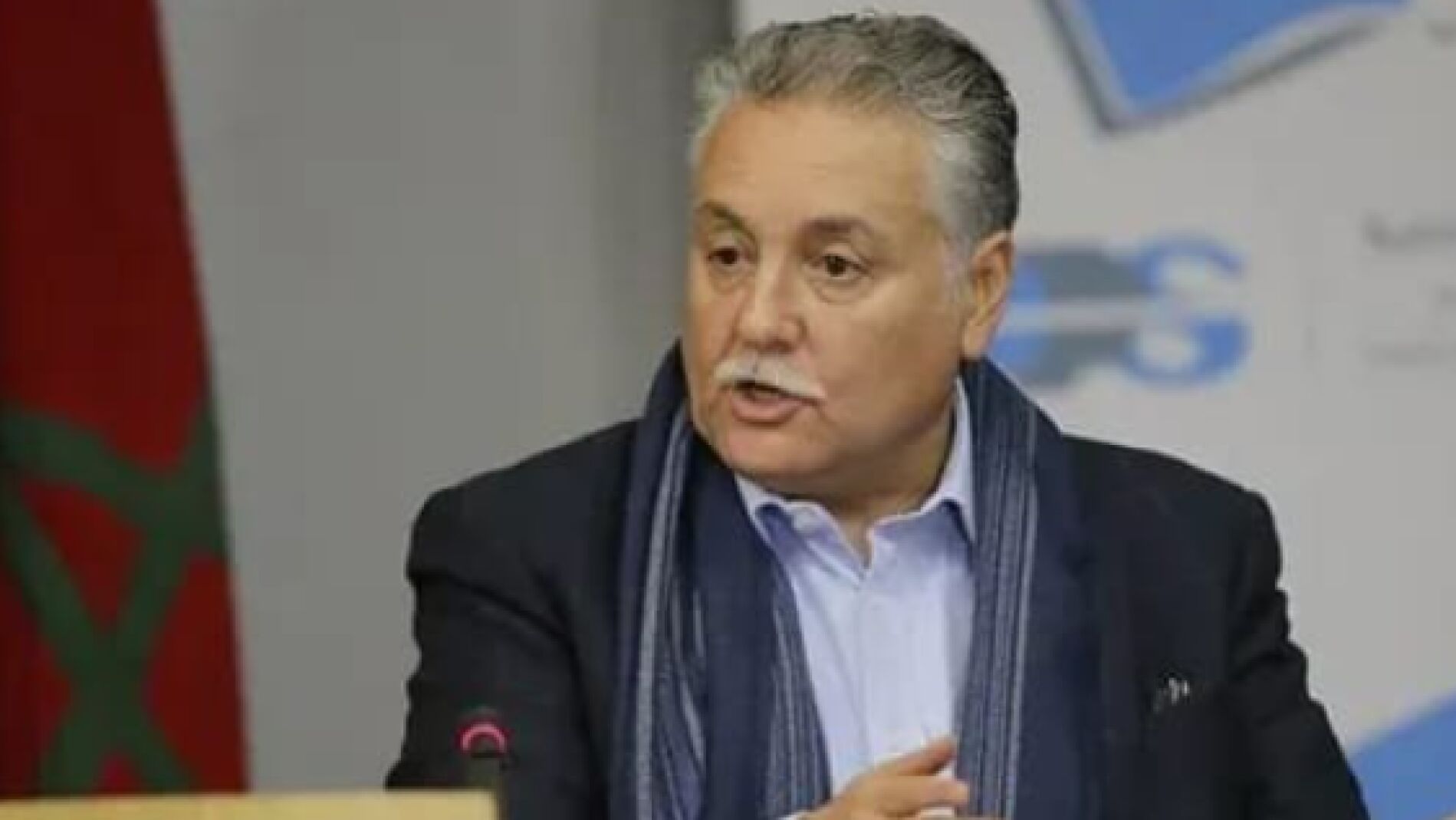
Benabdellah described Feijóo's position as part of a series of repeated political manoeuvres involving Morocco that conservative politicians in Madrid were using as a weapon in Spain's domestic election campaign.
The Moroccan minister said the proposal lacked practical viability and reflected a short-term calculation aimed at securing political profit from a sporting tournament just weeks before Spanish voters go to the polls.
International agreements and legal obligations
Benabdellah based his rejection on the authority of international law, arguing that an incoming government cannot overturn formal commitments agreed between sovereign states.
He stressed that obligations accepted by any state remain legally binding on all parties regardless of government changes or political fluctuations, with exceptions permitted only in rare and extreme circumstances.
Compliance with international commitments and agreements is an established rule applying to every contracting party, Benabdellah said, adding that signed contracts, massive financial investments, and sporting logic carry far more weight than campaign rhetoric.
The Party of Progress and Socialism, which grew out of the Moroccan Communist Party, dismissed Feijóo's demands entirely and stated that authorities in Rabat view the threat merely as an electoral trial balloon.
Partido Popular election manifesto
Feijóo presented the Partido Popular electoral programme yesterday in Madrid ahead of the 29 November vote, structuring the party platform around four central pillars: repairing the state, regenerating democracy, reuniting the nation, and restoring national ambition and self-esteem.
Speaking at the Madrid presentation, Feijóo declared that the publication was not just another routine election programme, describing the forthcoming contest as the most consequential moment in Spain over the past 50 years.
He insisted that every line in the manifesto mattered and was not written simply to impress voters through volume, while placing sports policy in a prominent role alongside a pledge to repeal Spain's Trans Law.
Point 139 of the manifesto promises that Spanish athletics will receive funding matching its importance to society, with a commitment to expand private sponsorship and corporate patronage.
The text then confirmed Feijóo's earlier statements that a Partido Popular administration would defend Spain's right to stage the 2030 final, warning that the country would condition its participation on staging the match.
Rivalry over the 2030 tournament final
The political row reflects a fierce contest between Spain and Morocco over the right to host the concluding fixture of the 2030 tournament, which FIFA awarded jointly to Spain, Portugal, and Morocco.
The centenary edition will also feature three opening matches in Uruguay, Argentina, and Paraguay to mark 100 years since the inaugural tournament in Montevideo, before the competition moves across the Mediterranean and Atlantic.
Spanish officials have long championed Madrid's Santiago Bernabéu stadium, the home of Real Madrid which staged the 1982 World Cup final, as the natural choice for the climax of the event.
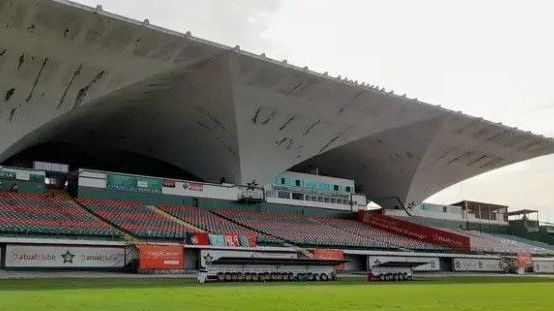
Morocco has mounted a serious challenge by commissioning the Grand Stade Hassan II in Benslimane near Casablanca, a planned 115,000-seat arena designed to become the largest football stadium in the world.
Campaign politics ahead of the vote
Feijóo's aggressive stance arrives as the Partido Popular campaigns to defeat Prime Minister Pedro Sánchez and his ruling Spanish Socialist Workers' Party in the 29 November election.
Relations between Madrid and Rabat frequently emerge as a sensitive subject in Spanish politics, covering border management, trade, and diplomatic cooperation across the Strait of Gibraltar.
Benabdellah and his party maintain that multilateral sporting commitments must remain isolated from domestic campaign arguments, indicating that Morocco intends to proceed with tournament preparations under FIFA guidelines regardless of the Spanish vote.