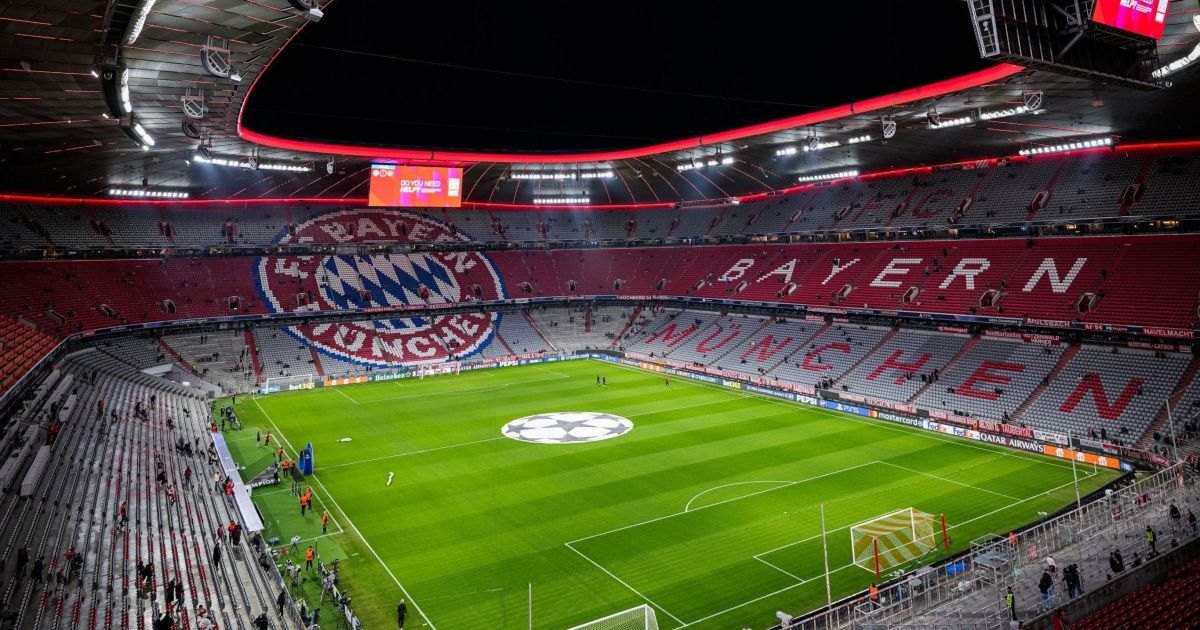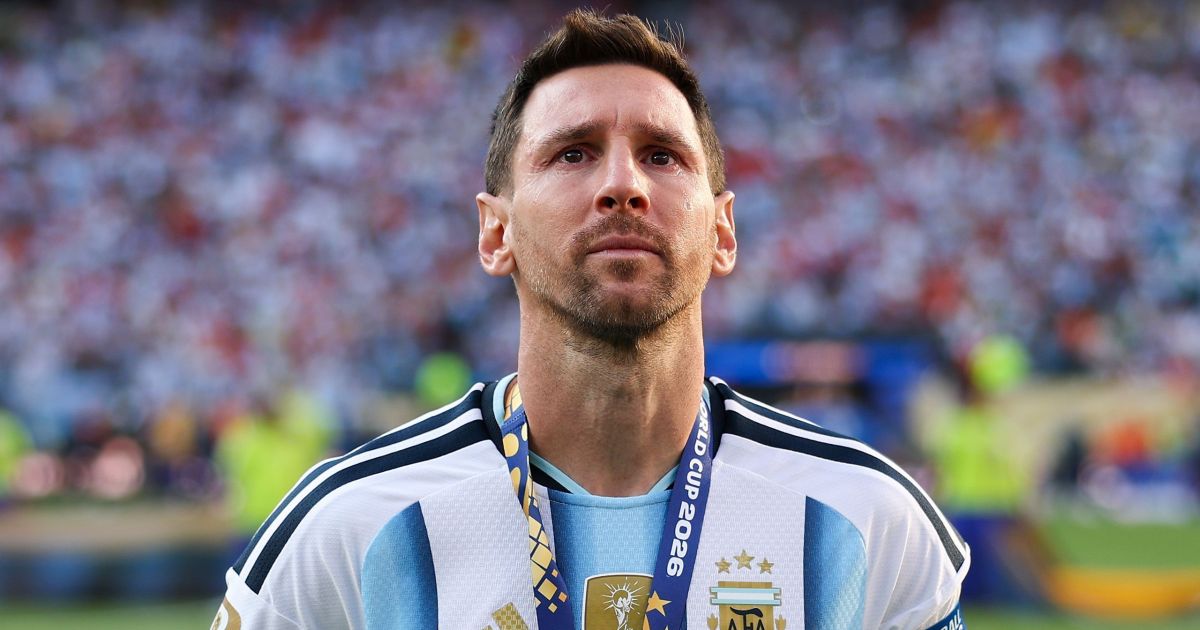


Gianni Infantino's hopes of surviving as FIFA president have been boosted after four Asian nations publicly backed him following the abolition of plans to sell stakes in the World Cup.
UEFA partnered with the North, Central America and Caribbean confederation (CONCACAF) and the Asian Football Confederation (AFC) to force Infantino to drop plans to sell a £3.1billion stake in the World Cup to private investors.
UEFA and CONCACAF have since called on Infantino to quit, but their effort to remove him has hit a roadblock after Kuwait, Qatar, Sri Lanka and Lebanon reiterated their confidence in his leadership.
UEFA and CONCACAF make up 90 of FIFA's 211 member associations. That is above the 20 per cent threshold needed to trigger a vote of no confidence, but it falls short of the majority needed to remove Infantino.
Infantino retains support from Africa, and South America is expected to take the same position, meaning AFC members would be required to oust him. New Zealand could join Europe and CONCACAF's resistance, but it is doubtful the remaining 10 members of the Oceania Football Confederation would follow suit.

In a statement welcoming the decision to abandon the private equity proposal, the AFC refrained from defying the FIFA leadership.

The subsequent backing from Kuwait, Qatar, Sri Lanka and Lebanon reinforced the impression that Infantino retains significant support across Asia. The other 40 AFC member associations have yet to comment publicly, suggesting they support the association's statement, which does not challenge his presidency.
Australia, also an AFC member, welcomed the decision to scrap the investment plan, saying attention must now turn to the future.
While UEFA and CONCACAF have enough support to force a vote of no confidence, they do not currently have the numbers to remove Infantino. Public opposition stands at 43 per cent of FIFA's membership, below the majority required to unseat him. The undeclared associations will not necessarily vote as a bloc with their confederations, and if 16 nations were to break ranks and join the opposition, Infantino's presidency would be in a perilous position.
AFC and UEFA statements
AFC president Sheikh Salman bin Ibrahim Al Khalifa said on Saturday that he was proud all member associations stood united and entrusted the AFC with seeking answers on their behalf regarding the issue. He thanked them for their patience, solidarity and unity, and said the AFC would always act in their best interests, adding that the future of global football must be shaped through sound consultation, collective dialogue and respect for the game's established governance structures.
UEFA took a more direct position, saying it welcomed FIFA's decision to withdraw its plan to sell a stake in its competitions, including the World Cup, into private hands. The proposal, UEFA said, was unanimously rejected by its national associations and by many other federations and confederations of all sizes around the world whose job it is to protect football.
UEFA said it could not keep going on with secret schemes on fast-track timescales, cooked up by faceless individuals and of dubious benefit to the game, and that those responsible must be identified and held to account. It said that in the coming days and weeks it would work with its associations and in close cooperation with other confederations to reflect on how this happened and devise a plan to prevent it recurring, adding that the review should be thorough and fundamental with no option off the table.
UEFA said the current FIFA leadership had lost not only its confidence but that of many other members of the football family, calling the deal a shabby, back-room, opaque arrangement that was anything but transparent. It described the outcome as a victory for the whole game, but said it must not be the end of the story, since the task of rebuilding trust in FIFA had only just begun.


Countless European nations, including England, Wales, the Netherlands and Norway, endorsed UEFA's statement. A spokeswoman for the English FA said the FA fully supported UEFA's position and that it was time for a full and robust review of FIFA's leadership and governance to ensure the global game is run transparently, for the benefit of all 211 member nations, with the long-term stewardship of football at its heart.
CONCACAF's response
CONCACAF said it and its 41 member associations welcomed the withdrawal of the proposed FIFA Forward Enterprise, commending its members and the wider football family for the courage and unity shown that week. It said that at a moment demanding principled leadership, its members stood together in defence of football's long-term interests and the principles of good governance, and that unity had prevailed.
CONCACAF said a proposal of that magnitude does not reach that stage by accident, calling it a symptom of leadership that has stopped putting football first. It said the episode followed a pattern of missteps and similar behaviour, and that a full review of the leadership must now take place.
CONCACAF said the concern was not its alone but shared across many confederations, member associations and those who serve and love the game. It said that when people entrusted with protecting the game conclude they can no longer do so from within, the football family is entitled to ask how such a proposal was allowed to proceed, and who bears responsibility for it.