

Morocco has spent nearly two years lobbying FIFA to move the 2030 World Cup final from Spain to Casablanca, according to a report citing sources close to Spain's national football federation, the Real Federación Española de Fútbol (RFEF).
FIFA published a dossier in the summer of 2024 detailing the venues that will host the tournament, which Spain, Morocco and Portugal are jointly organizing. Of the 20 stadiums selected, 11 are in Spain, six in Morocco and three in Portugal, making Spain the country with the most World Cup venues.
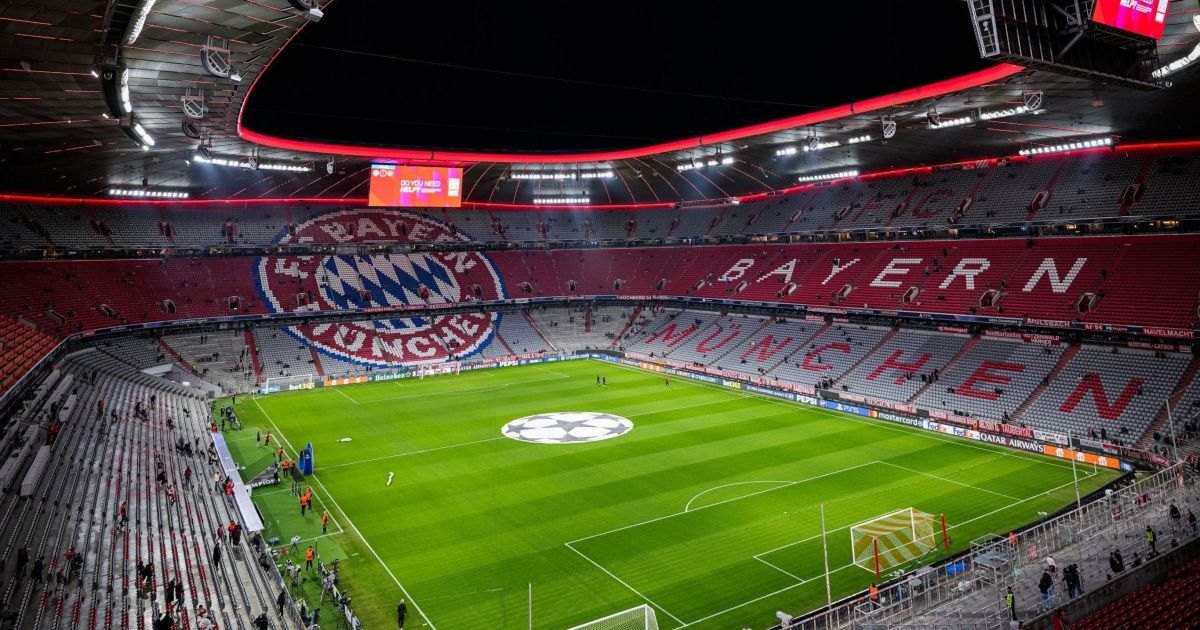
Three stadiums were named as candidates to host the final: Real Madrid's Santiago Bernabéu, Barcelona's Camp Nou, and a stadium in Casablanca. The RFEF considered the Bernabéu the favorite, and FIFA suggested in June 2024 that it would support Spain's bid.
Morocco's Casablanca stadium push
Since the dossier's publication, Morocco has run a global campaign, including in Spanish-language media, promoting its Grand Stadium Hassan II project in Casablanca as the venue for the final. Moroccan outlets have described the plan as a surprise bid to take the final away from Spain and Portugal, and have called the Casablanca stadium the world's biggest arena.
Construction on the stadium has already begun. It is designed to hold 115,000 seats, compared with about 90,000 at the renovated Bernabéu.
Diplomacy and a $20 billion investment
The campaign is being run directly by Morocco's ambassador to the United States, Youssef Amrani, together with the president of the Royal Moroccan Football Federation, Fouzi Lekjaa. Their aim is to lock in majority votes from multiple international confederations ahead of time, and they have cultivated ties with Donald Trump and with FIFA president Gianni Infantino.
Morocco and the United States have grown closer since Prime Minister Pedro Sánchez's government distanced itself from Trump's handling of geopolitical affairs. International media reports say Infantino is seeking to consolidate the support of the African voting bloc to secure his continued leadership of FIFA, and is favorably disposed to awarding the final to Casablanca. FIFA has formally described these claims as misleading, though the political pressure on the organization is real, according to the report.
Morocco's government has mobilized $20 billion in rail, road, airport and hotel infrastructure investment, the report says.
Infantino's ties to Rabat
Samuel Ortiz, a professor at the University of Alicante who specializes in geopolitics, told Spain's public broadcaster RTVE that everything suggests an exchange of favors is under way, and that Infantino's recent moves show how football can reveal underlying power relations.
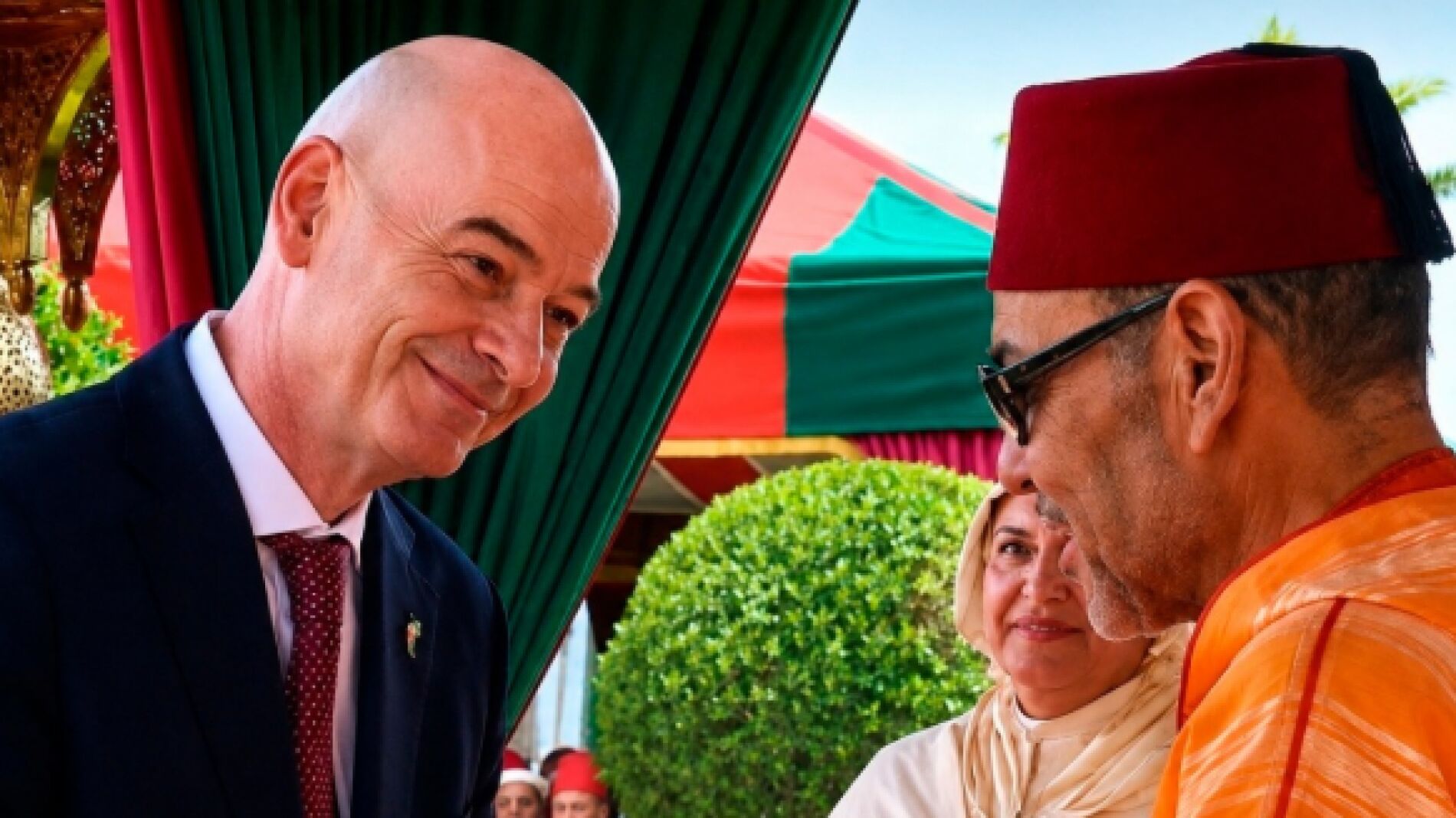
Ortiz noted that Infantino's ties to Morocco go further than his relationship with either Spain or Portugal. As evidence, Infantino attended events held by King Mohamed VI on Thursday, August 30 to mark the anniversary of his accession to the throne, the same day thousands of Moroccans staged an unprecedented crossing into Ceuta, the Spanish enclave in North Africa.
At the event, Infantino said the 2030 World Cup would be the best in the tournament's history in part because it would be held in Morocco, which he called the most beautiful country of all. He said Moroccans were ready to welcome the world and wished Morocco a long life.
Some observers see the Ceuta crossing as another element of Morocco's campaign to undermine Spain's image ahead of the tournament, the report says.
Fear inside the RFEF
The Bernabéu was always considered the favorite to host the final under the original World Cup roadmap. But tension between UEFA and FIFA, combined with Morocco's lobbying effort, has made it harder for Spain, within UEFA's territory, to be certain of securing the match, according to the report.
The threat has grown as Sánchez's government remains passive, the report says, even as it also seeks to host the tournament's international press center. RFEF president Louzán has called for more involvement from Madrid.
Louzán said Spain's government needed to get involved immediately, noting that in Morocco a single person makes decisions while in Spain many different bodies are in charge. He said this was Spain's project and it had to lead, adding that other structures needed to be ready and that the country could not afford to miss the opportunity. He made the comments at an event organized by the investment firm Apollo and Atlético de Madrid.
But Louzán did not publicly reveal how worried the RFEF is that Morocco could still win the final, according to the report. Sources close to the president said there was real fear inside the federation, and that denying it would be a lie.
Silence from Madrid and Barcelona
That fear may explain Louzán's silence over the dispute that has erupted inside FIFA following Infantino's proposal to privatize the World Cup, the report says. Most European federations have opposed the plan, prompting open conflict within the body that governs world football, but the RFEF has stayed quiet.
Sánchez has also avoided publicly backing the Bernabéu bid, the report says, under pressure from his Catalan political allies, who want the final played at the Camp Nou instead.