
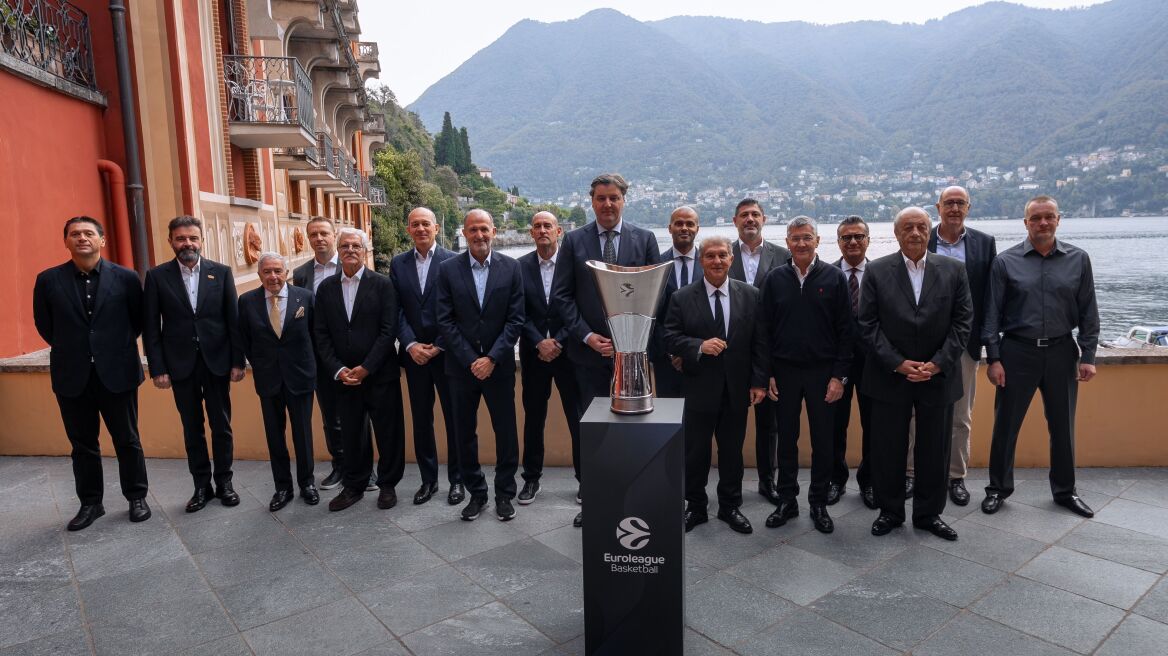
The thirteen shareholder clubs of the Euroleague rejected a proposal from the National Basketball Association to merge and create a new NBA Europe competition during a summit in Cernobbio, Italy, on Tuesday.
The American league offered less than two billion euros for the takeover, but demanded absolute control over the administration of the tournament and required existing European teams to pay a fee to become official franchises.
A majority of the European clubs described the NBA proposal as colonial. A small minority suggested continuing the talks to negotiate a larger financial offer, but the clubs ultimately refused to grant a 30 day extension for the American league to return with improved terms.
The decision to reject the bid was driven more by the Euroleague's own existing plans to expand its competition than by the financial figures offered by the NBA.
During the exchange of views, the clubs favoured a scenario where the Euroleague and a potential NBA Europe operate simultaneously as separate competitions. This would allow both organisations to assess their relative standing over a reasonable period before considering any future collaboration.
The Euroleague is the premier professional basketball competition in Europe, featuring the continent's most successful domestic teams. The NBA is the preeminent basketball league in North America and the wealthiest in the world.
Move to a franchise model
The clubs met on Tuesday, October 6, in Cernobbio, a municipality on the shores of Lake Como in northern Italy, for a general assembly to discuss the future of the competition.
A key issue at the summit was the conversion of the current system into a franchise model. The clubs agreed to proceed with transforming the existing ten year licenses held by the thirteen shareholder teams into permanent franchise status.
The thirteen founding shareholder clubs of Euroleague Commercial Assets are Anadolu Efes Istanbul, Baskonia Vitoria-Gasteiz, CSKA Moscow, Armani Olimpia Milan, FC Barcelona, FC Bayern Munich, Fenerbahce Istanbul, LDLC ASVEL Villeurbanne, Maccabi Tel Aviv, Olympiacos Piraeus, Panathinaikos Athens, Real Madrid and Zalgiris Kaunas.
The owners also discussed expanding the competition to 24 teams by the 2027 to 2028 season, with a further increase to 28 teams in subsequent years. While the expansion to 24 teams is considered a certainty, no definitive resolution was reached at the meeting.
The club owners instructed the board of directors to continue evaluating multiple binding offers received from top professional clubs and to present a final recommendation for approval in the coming weeks.
Greek club owners attend summit
Dimitris Giannakopoulos, the owner of Panathinaikos, was absent from the critical meeting and the commemorative photograph, despite having travelled to Como and being present at the villa where the summit was held.
Panathinaikos were instead represented by club president Vasilis Parthenopoulos, chief executive Giorgos Athanasiou and legal advisor Margarita Thanou.
Representatives of the European champions, Olympiacos, were also in attendance. The club owners, Panagiotis and Giorgos Angelopoulos, were joined by vice president Giorgos Skindilias and general manager Nikos Lepeniotis.
Olympiacos and Panathinaikos are Greece's two most successful basketball clubs and maintain a fierce rivalry.
Official statement omits NBA talks
The Euroleague issued an official announcement shortly after 15:30 local time. The statement confirmed the transition to a franchise model and the intention to expand, but made absolutely no mention of the NBA proposal or the discussions surrounding it.
The statement said the clubs met to align on key strategic decisions regarding the future of their collective property.
Dejan Bodiroga, the president of Euroleague Basketball, welcomed the attendees and praised the work the clubs have done in recent decades. He said their efforts have led to unprecedented growth, interest and momentum for European club basketball.
Bodiroga is a former professional player from Serbia who won three Euroleague titles during his playing career before moving into sports administration.
Chus Bueno, the chief executive of Euroleague Basketball, gave a presentation on the progress of the organisation's approved strategic roadmap and ten year business plan. Bueno also outlined key strategic priorities, including the move to a franchise model and the expansion opportunities presented by the binding offers from other clubs.